
This was a PhD project. Dr Mostofa Sarwar has completed his PhD on this model.
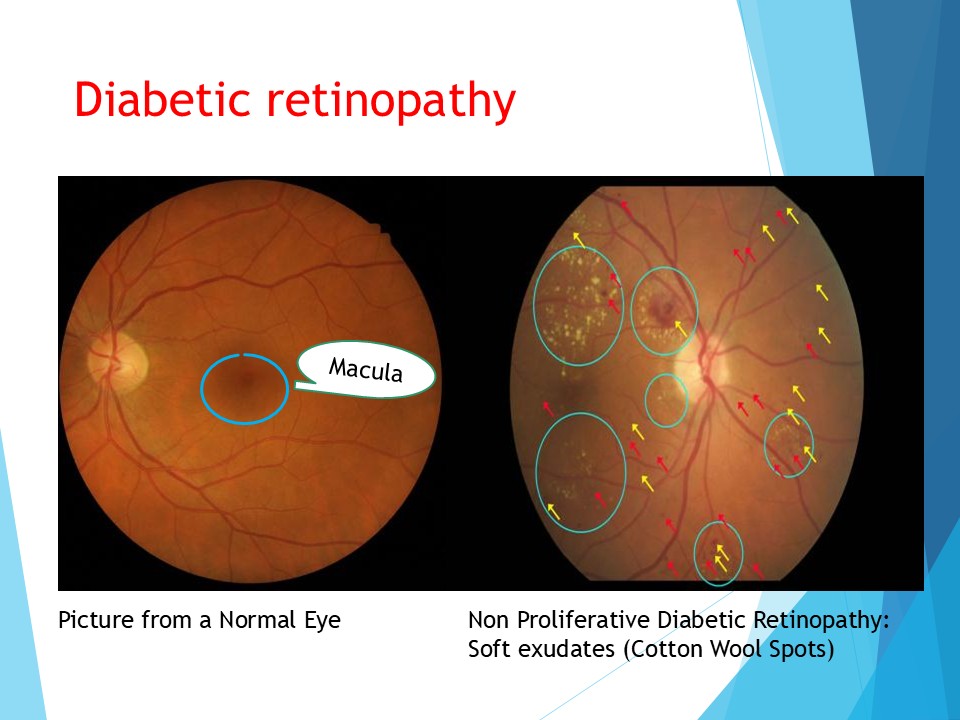
Diabetic retinopathy (DR) is one of the most common complications of diabetes
and a major cause of blindness. Of people with diabetes, abut 35% have some form
of DR and 10% can have vision-threatening DR.
For the current study, we collected retinal photographs from 105 patients from a diabetes hospital and 68 patients from a pool of 213 patients with diabetes who were idenitfied from the BPDES study.
SUMMARY FINDINS
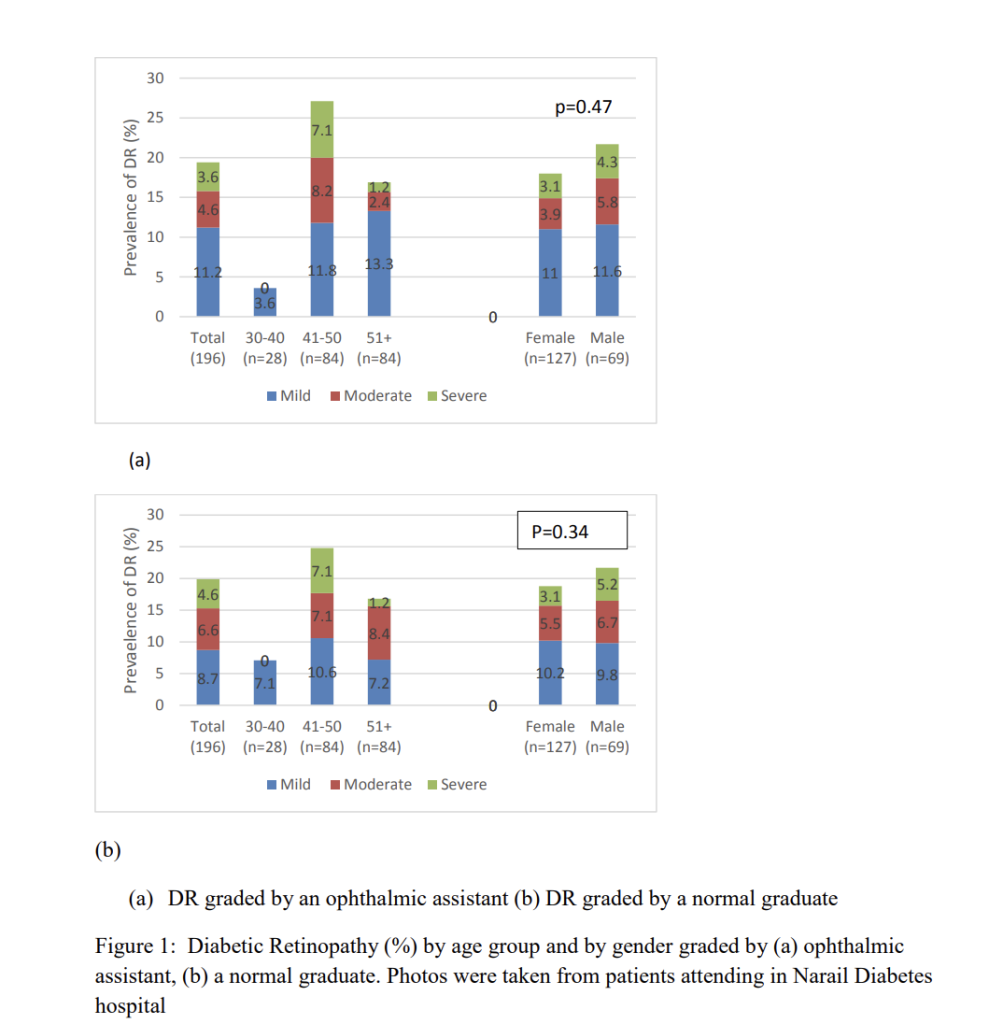
- ~ 21% of people with diabetes had diabetic retinopaty
- People with diabetes were still reluctant to participate in DR screening program. However, people who are aware that diabetes causes diabetic retinopaty were more eager to participate in the screening program.
- Mid-level technicians are able to grade retinal photo 100% correctly if DR levels are moderate to severe.
PUBLICATIONS
- Islam FMA, Kawasaki R, Finger RP. Factors associated with participation in a diabetic retinopathy screening program in a rural district in Bangladesh. Diabetes Research and Clinical Practice. 2018. http://doi.org/10.1016/j.diabres.2018.08.012.
- Islam FMA. 2016. Accuracy for grading Diabetic Retinopathy: Retinal photo graders from a developing country and standard grader in Australia. PLOS One. DOI:10.1371/journal.pone.0179310
- Hosen, A., Zia, S. Finger, RR, Wintergerst, MWM, Lechtenböhmer, R. Islam, FMA. Vision impairment among schoolchildren assessed by mid-level technicians and schoolteachers, and its associated factors in a rural district of Bangladesh. Ophthalmic Epidemiol